
Vows & Ceremony
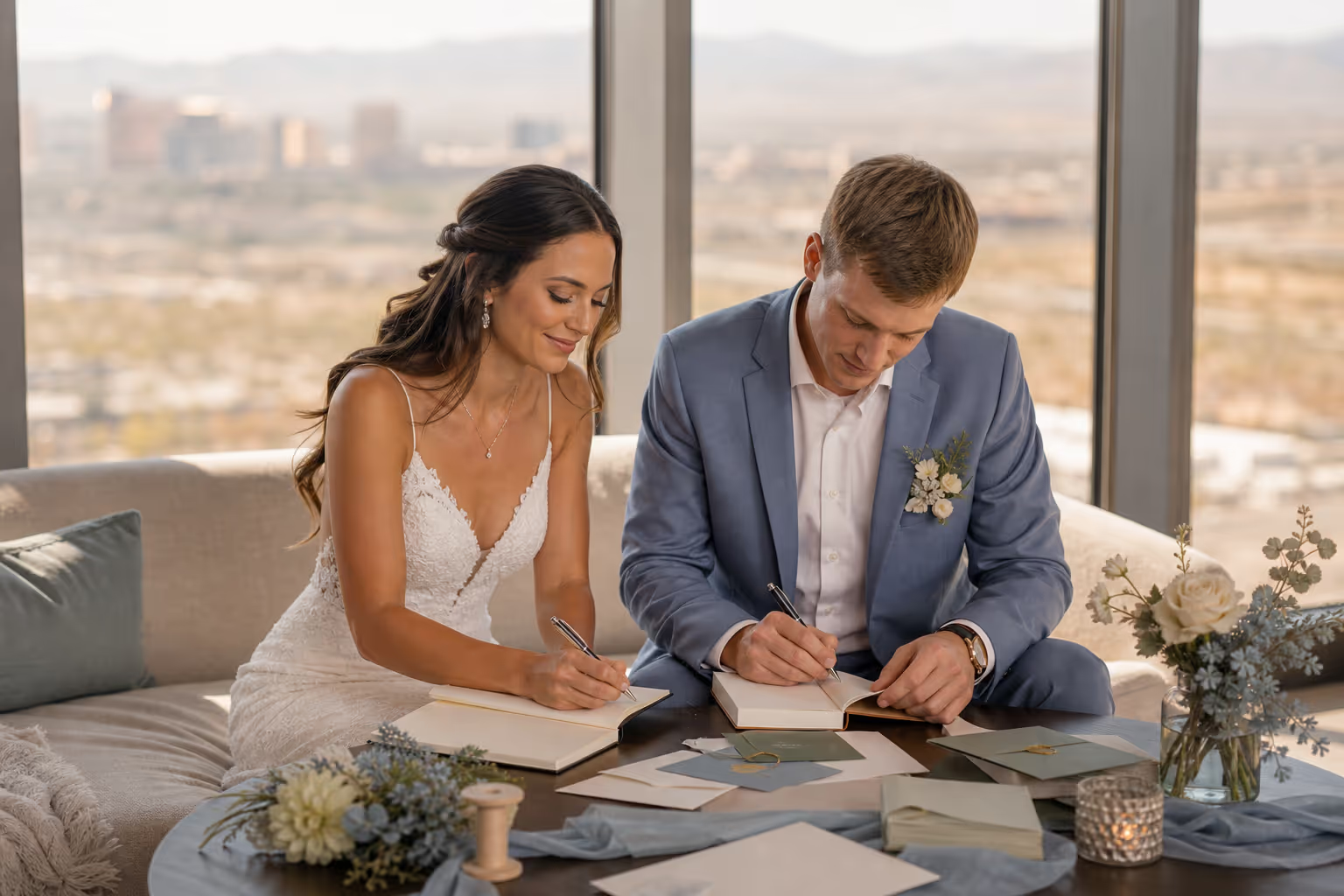
Writing Your Wedding Vows A Simple Guide
A calm, practical way to write personal vows—even if you don’t consider yourself a writer—with an easy structure, story prompts, and tips for length and nerves.
Quick Answer
Think of your vows as a short love letter with four parts: how you got here, what you love about your partner, the promises you’re making, and a simple closing line—aim for about one to three minutes, practice out loud, and let it sound like you instead of like a movie speech.
Step One
A simple structure for vows that sound like you
When couples struggle with vows, it’s rarely because they don’t feel enough—it’s because they’re trying to say everything all at once. A clear structure gives your feelings a path to follow so you’re free to focus on the words themselves.
A short hello and a line about what today means to you and how grateful you are to be standing there with your partner.
One or two moments that show who you are as a couple—how you met, a turning point, or something that made you realize this was real.
A few specific, realistic promises about how you’ll show up in everyday life and in the bigger seasons ahead.
Suggested outline you can copy
- Start with their name and a simple statement: “Name, from the moment…” or “Name, standing here with you today…”
- Share one brief story or description that captures your relationship.
- Name two or three things you admire about them.
- Make three to six promises, mixing everyday life and big‑picture commitments.
- End with a short closing line you both love, such as “I choose you, today and every day.”
Keep it balanced between you
Before you start writing, agree on a general length and tone together—light and playful, more serious, or somewhere in between. That way one person doesn’t write a three‑minute speech while the other plans a 30‑second “ditto.”
Step Two
Story and promise prompts to get you unstuck
If a blank page feels intimidating, start by answering simple questions instead of trying to write “vows” right away. You can always shape your answers into a smoother final draft later.
Prompts about your story
- When did you first realize this relationship was different from anything else you’d experienced?
- What is one small, specific thing they do that makes you feel loved or seen?
- What challenge have you faced together that brought you closer?
- How have you changed for the better since meeting them?
Prompts about what you admire
- Which of their qualities do you hope your future children or younger family members will see and learn from?
- How do they make your day‑to‑day life easier, brighter, or calmer?
- What do they bring into a room or into your home that nobody else does?
Prompts for real‑life promises
- How will you support their dreams or career, even when it’s inconvenient?
- What will you do when you disagree or hurt each other’s feelings?
- What kind of home or marriage do you want to build together in small, daily ways?
- Is there a light, funny promise you can make that still shows your care—like sharing the last slice of pizza or taking over a chore they hate?
Step Three
How long vows should be—and how to handle nerves
Wedding experts and officiants often recommend aiming for about one to three minutes per person—roughly 200 to 300 words for most speakers. That’s enough time to share your story and promises without losing your guests’ attention or turning the ceremony into a speech contest.
| Vow Length | Approx. Words | What It Feels Like |
|---|---|---|
| ~45–60 seconds | ~150–200 words | Short and sweet, good for couples who are shy or very nervous. |
| ~1–2 minutes | ~200–300 words | Balanced, gives room for one story and clear promises; a common sweet spot. |
| ~2–3 minutes | ~300–400+ words | More detailed and emotional; best if both partners are comfortable speaking. |
Tips for managing nerves
- Print your vows in a large, easy‑to‑read font so you’re not squinting or losing your place.
- Practice once or twice a day in the week before your wedding, out loud and at a realistic pace.
- Mark natural pauses with line breaks or spaces so your breathing feels easier.
- Remember that you can look up from the page; eye contact makes even simple vows feel deeply personal.
LVWO tip: your vows don’t have to be a surprise to us
If you’re worried about how long or short your vows are, share a copy with your officiant ahead of time. We can give gentle feedback on pacing and help coordinate with your partner so both vows feel balanced, even if you decide to keep the actual wording a surprise for each other.
Common Questions
Wedding vow FAQs
Do we have to memorize our vows?
No. Many couples read their vows from printed cards or a small booklet, even when they’ve practiced. Memorizing is optional; being present and sincere matters far more than delivering every line from memory.
Should we share our vows with each other ahead of time?
That’s completely up to you. Some couples share a general length and tone but keep the exact wording a surprise, while others compare drafts to make sure they’re comfortable with what will be said in front of guests. If you’re nervous about being caught off guard, you can always ask your officiant to review both sets privately and flag anything that feels very out of balance.
What if I cry or get too emotional while reading?
It’s okay—and common—for people to get emotional during vows. Building in a few natural pauses gives you time to breathe, and your officiant can gently prompt you if you lose your place. Your guests are there to support you, not to grade your performance.
Can you help us write or edit our vows?
Yes. With our custom vow‑writing assistance add‑on, you’ll answer a short questionnaire and then meet for a focused session to turn your ideas into a clear outline and polished draft. It’s a good option if you’re busy, overwhelmed, or simply want a professional to make sure everything flows smoothly.
Related Reading
Plan the rest of your Las Vegas ceremony
Ready to practice
Bring your vows to life with a calm, Las Vegas wedding officiant
Whether your vows are short and simple or more detailed, we’ll guide you through the ceremony flow so reading them out loud feels grounded, not scary.


